Understanding MRI Services: A Deep Dive into Magnetic Resonance Imaging
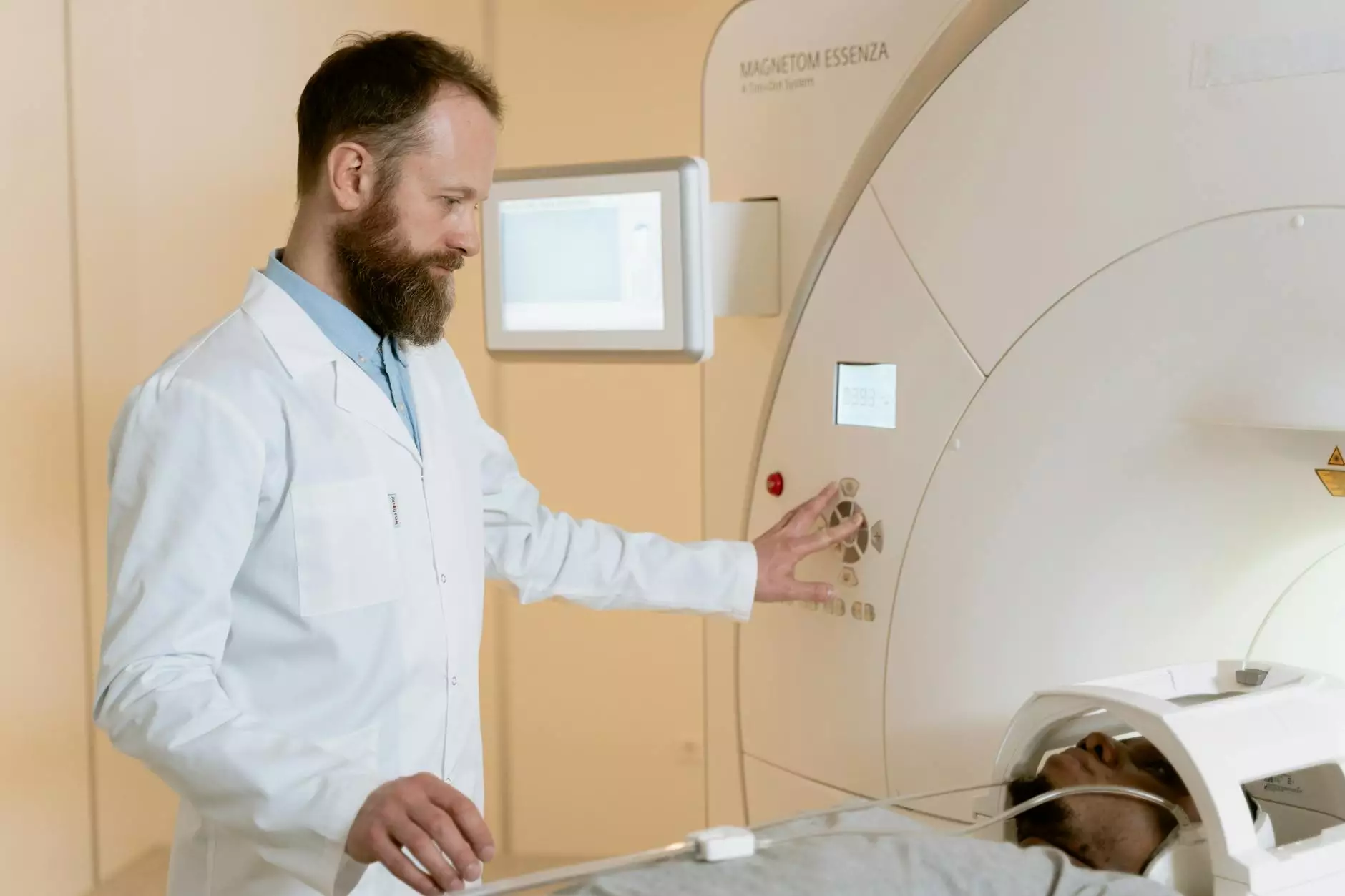
In today's advanced medical landscape, MRI services have become a cornerstone for diagnosing a multitude of health conditions. This article aims to provide an in-depth look at what MRI services entail, their significance in the healthcare industry, the technological advancements within the field, and tips for selecting the best provider, such as Echo Magnet Services.
What is MRI?
Magnetic Resonance Imaging (MRI) is a non-invasive imaging technology that produces detailed images of the organs and tissues in the body. Unlike CT scans or X-rays, MRI does not use ionizing radiation, making it a safer choice for many patients.
How MRI Technology Works
The principle behind MRI technology is the use of strong magnetic fields and radio waves. Here’s a simplified breakdown of the process:
- Magnetic Field: The MRI machine generates a powerful magnetic field that aligns the protons in the body.
- Radiofrequency Pulses: The machine then sends radiofrequency pulses that disturb this alignment.
- Signal Detection: As the protons return to their original alignment, they emit signals that are captured and transformed into images.
This complex process results in high-resolution images that allow healthcare professionals to analyze the structure of various body parts in detail.
Applications of MRI Services
MRI services are integral in diagnosing a wide range of conditions. Some of the most common applications include:
- Neurological Disorders: MRI is vital for identifying brain tumors, traumatic brain injuries, multiple sclerosis, and other neurological conditions.
- Musculoskeletal Issues: It helps diagnose issues related to joints, ligaments, and soft tissues, making it essential for orthopedic evaluations.
- Cardiovascular Conditions: MRI can assess heart structure, blood flow, and the presence of coronary artery disease.
- Oncology: It's crucial in detecting various cancers and monitoring treatment effectiveness.
The versatility of MRI services makes them indispensable in modern diagnostics, ensuring tailored treatment plans for patients.
The Benefits of MRI Services
Utilizing MRI services offers numerous advantages, some of which include:
- Non-Invasive Procedure: MRI does not require incisions or exposure to radiation, minimizing risks associated with diagnostic procedures.
- Detailed Imaging: The clarity and detail of MRI images allow for better diagnosis and treatment planning.
- Versatility: MRI can be used on various body parts, catering to different diagnostic needs.
- Safety: With no radiation used, MRI is considered safer for patients, including pregnant women and children, when managing certain conditions.
Choosing the Right MRI Services Provider
When selecting an MRI services provider, consider the following factors:
1. Accreditation and Certification
Ensure that the MRI facility is accredited by recognized organizations such as the American College of Radiology (ACR) or similar bodies. This guarantees adherence to safety and quality standards.
2. Technology and Equipment
Modern MRI machines are equipped with advanced technology, providing clearer images and faster scanning times. Research the types of MRI machines available, such as 1.5T or 3T MRI machines.
3. Radiologist Expertise
Experience matters. A skilled radiologist interprets MRI results, so ensure the provider has qualified professionals with extensive experience in MRI diagnostics.
4. Patient Comfort
Check whether the facility prioritizes patient comfort. This includes the size of the MRI machine, amenities available during the scan, and overall scheduling flexibility.
5. Service Accessibility
Consider the location of the service provider and their operating hours. Convenient access can significantly enhance your experience.
The Future of MRI Services
As technology advances, the future of MRI services looks promising. Emerging trends include:
- AI Integration: The incorporation of artificial intelligence in MRI interpretation is expected to enhance diagnostic accuracy and efficiency.
- Functional MRI (fMRI): This technique assesses brain activity by detecting changes associated with blood flow, offering insights into cognitive functions.
- Portable MRI Devices: Research is underway to create portable MRI machines, making diagnostics more accessible, particularly in rural or underserved areas.
Conclusion: The Role of MRI Services in Modern Healthcare
In summary, MRI services are invaluable in the diagnostic process, offering unparalleled insights into the human body. As technology evolves, these services will only become more efficient and accessible. Choosing the right provider, such as Echo Magnet Services, is crucial for ensuring high-quality care tailored to individual health needs. Consistent advancements promise an exciting future for MRI technology, ultimately benefiting patient care across the globe.
FAQs about MRI Services
What should I expect during an MRI scan?
Before the scan, you will be asked to change into a gown and remove any metal objects. You will then lie on a table that slides into the MRI machine. The procedure is painless and typically lasts 30-60 minutes.
Are there any risks associated with MRI?
MRI is considered safe; however, patients with certain implanted medical devices (like pacemakers) should consult their doctor before undergoing an MRI. Always inform the healthcare provider about any allergies or medical history.
Will I need to prepare for an MRI?
Generally, there is minimal preparation for an MRI. Your doctor may advise you on eating or drinking restrictions, especially if a contrast agent will be used during the scan.
How should I choose an MRI service provider?
Evaluate their accreditation, technology standards, radiologist expertise, patient comfort initiatives, and service accessibility, as outlined earlier in this article.
For personalized care and exceptional services, consider Echo Magnet Services, where your health is our priority.
© 2023 Echo Magnet Services. All rights reserved.