The Cost of Counterfeit Money: Understanding Its Impact on Businesses
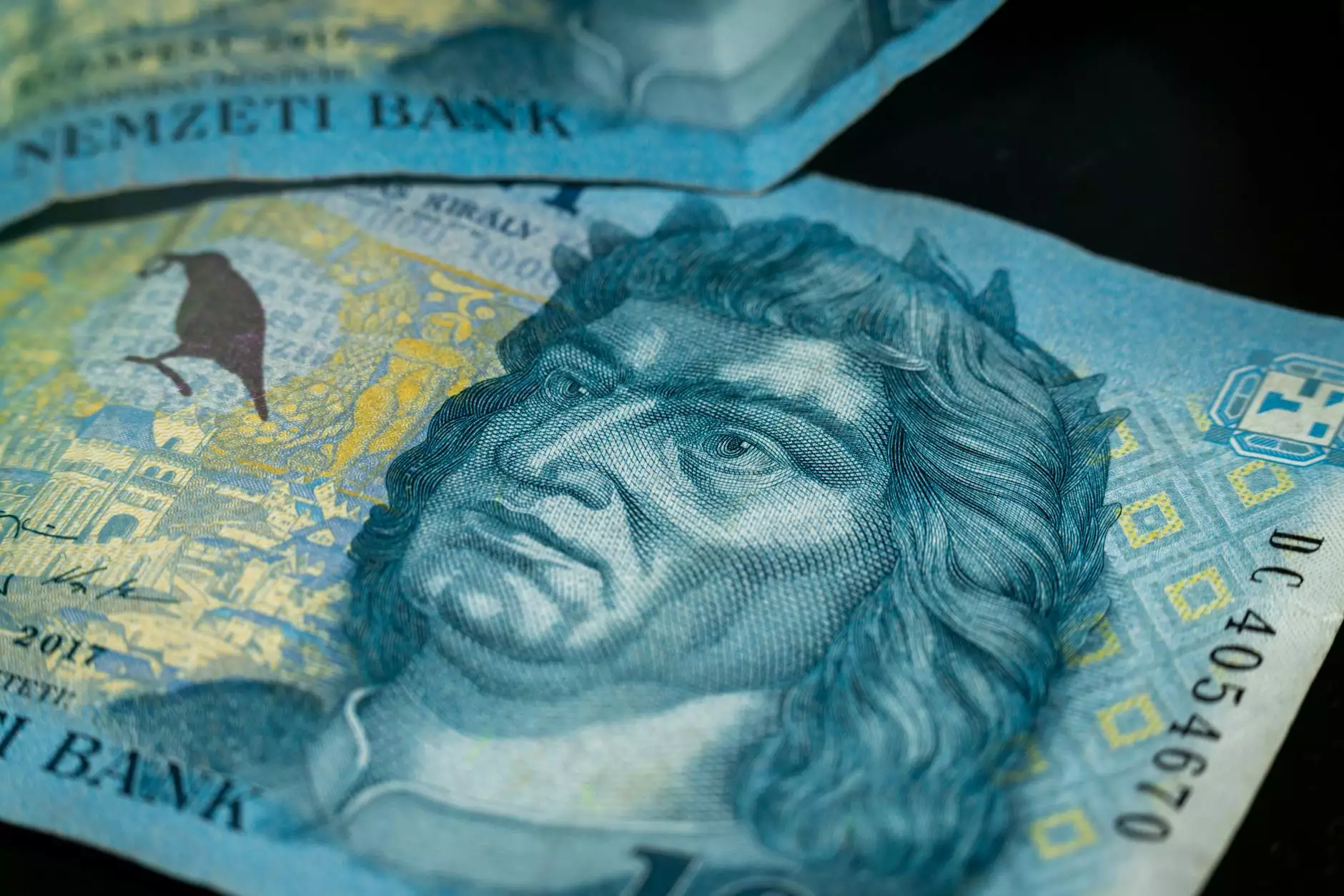
The issue of counterfeit money is a pervasive problem that affects not only the economy but also businesses across various sectors, including healthcare and pharmacy. The cost of counterfeit money extends beyond mere financial loss; it also encompasses reputational damage, legal implications, and operational disruptions. In this comprehensive article, we will delve into the multifaceted implications of counterfeit currency, particularly in the context of businesses such as elitbills.com.
Understanding Counterfeit Currency
Counterfeit money refers to currency that is produced without the legal sanction of the state and is intended to imitate real currency for illicit financial gain. The sophistication of counterfeiting has increased over the years, employing advanced technology and printing techniques, which makes identifying fake currency increasingly difficult. Examples of counterfeit currency can range from poorly made replicas to professional-grade copies that can fool even the most vigilant cashiers.
The Financial Implications of Counterfeit Money
The cost of counterfeit money manifests itself in several ways:
- Direct Losses: Businesses that unknowingly accept counterfeit currency incur direct financial losses when they attempt to deposit these bills. Banks will not honor counterfeit notes, resulting in a loss equivalent to the face value of the bill.
- Increased Security Costs: To combat counterfeit currency, businesses often invest in enhanced security measures. This may include cash handling equipment, employee training on spotting counterfeit bills, and systems for authenticating currency.
- Legal Costs: Businesses may face legal repercussions if they fail to detect counterfeit money. This can lead to costly litigation and regulatory fines if a company is found negligent in their cash handling practices.
- Insurance Premiums: Companies that frequently deal with cash transactions may see an increase in their insurance premiums to cover potential losses from counterfeit bills.
Impact on Various Business Sectors
The impact of counterfeit money is not uniform and varies widely across different business sectors:
1. Retail and E-Commerce
In the retail sector, counterfeit bills can erode profit margins significantly. Retailers often have a low-margin business model, which means that even a small loss can have devastating effects on their overall profitability. For e-commerce, although less direct, the acceptance of counterfeit transactions can lead to chargebacks and loss of customer trust.
2. Healthcare and Pharmacy
In the healthcare industry, pharmacies can face severe risks associated with accepting counterfeit cash. The cost of counterfeit money in this sector can lead to compromised patient safety if funds are diverted from purchasing legitimate supplies and medications. Additionally, pharmacies are often frequented by many people, increasing their likelihood of encountering counterfeit bills.
3. Hospitality and Food Services
Restaurants and hotels are prime targets for counterfeiters due to their high cash flow and relatively lax cash handling protocols. The cost of counterfeit money not only affects the bottom line but also plays a role in diminishing customer experience and trust.
Identifying Counterfeit Currency
Detecting counterfeit money early is crucial for minimizing its potential impact. Here are some effective methods businesses can use:
- Know Your Currency: Familiarity with the features of legitimate currency is essential. This includes understanding the watermark, security thread, color-shifting ink, and micro-printing.
- Use Counterfeit Detection Tools: Investing in tools such as UV light detectors and currency scanners can expedite the identification process and reduce human error.
- Employee Training: Regular training sessions for employees on how to recognize counterfeit currencies will build a culture of vigilance surrounding cash transactions.
Preventing Loss from Counterfeiting
For businesses, preventative strategies are essential to minimize the exposure and cost of counterfeit money:
1. Implementing Strict Cash Handling Procedures
Establishing strict protocols for cash handling is crucial. This may include regular audits, secure cash storage, and employing multiple staff members for cash count during high-traffic periods. Each measure ensures that cash flow is correctly managed and that discrepancies can be reconciled swiftly.
2. Encouraging Electronic Transactions
Reducing reliance on cash transactions can significantly lower the risk of counterfeit currency. Encouraging customers to use credit cards, mobile payments, and digital wallets can help businesses mitigate their exposure. This not only reduces cash handling but also improves transaction tracking.
3. Staying Informed on Counterfeiting Trends
As technology progresses, so do the techniques used by counterfeiters. Businesses must stay informed by regularly reviewing updates from financial institutions and law enforcement regarding counterfeit trends. This could involve subscribing to industry newsletters or participating in local business security forums.
Case Studies: The Cost of Counterfeit Money on Businesses
Understanding real-world implications of counterfeit currency can provide further insight:
Case Study 1: A Local Pharmacy
A local pharmacy unknowingly accepted a counterfeit $100 bill during a busy afternoon. The loss incurred equaled the face value of the bill. This prompted them to reevaluate their cash handling procedures, leading to the adoption of a strict cash handling policy and counterfeit detection training for employees.
Case Study 2: A Downtown Restaurant
A bustling downtown restaurant encountered multiple counterfeit bills over the summer tourist season. This incident not only cost the restaurant money but also affected their reputation. With increased vigilance and hands-on training, they managed to reduce incidents significantly, restoring customer trust and protecting their revenue.
The Long-Term Costs of Ignoring Counterfeit Currency
Ignoring the risk of counterfeit money can have long-standing repercussions for businesses. Here are some potential long-term costs:
- Loss of Customer Trust: Repeated incidents of counterfeiting can tarnish a business's reputation. Customers may choose to take their business elsewhere if they feel their transactions are not secure.
- Regulatory Scrutiny: Businesses that fail to implement proper controls may fall under scrutiny from regulatory bodies, leading to penalties and additional financial burdens.
- Increased Operational Disruptions: Companies that have to deal with counterfeit issues often face disruptions in their operation, leading to inefficiencies and lost productivity.
Conclusion: Taking Action Against Counterfeit Currency
The cost of counterfeit money is more than just a financial statistic; it represents a significant risk that businesses must actively combat to thrive. By understanding the implications, implementing effective detection and prevention strategies, and fostering a culture of vigilance, businesses can protect themselves from the associated risks. Whether you are part of a pharmacy, retail outlet, or any cash-handling enterprise, being proactive will not only safeguard your bottom line but also enhance your reputation.
In conclusion, the persistence of counterfeit currency is a challenge that requires attention from all sectors. By investing in the right tools and adopting best practices, businesses like elitbills.com can navigate this risk efficiently and focus on growth and customer satisfaction, free from the shadows of counterfeit money.