Unlocking the Secrets of Quality Firewood
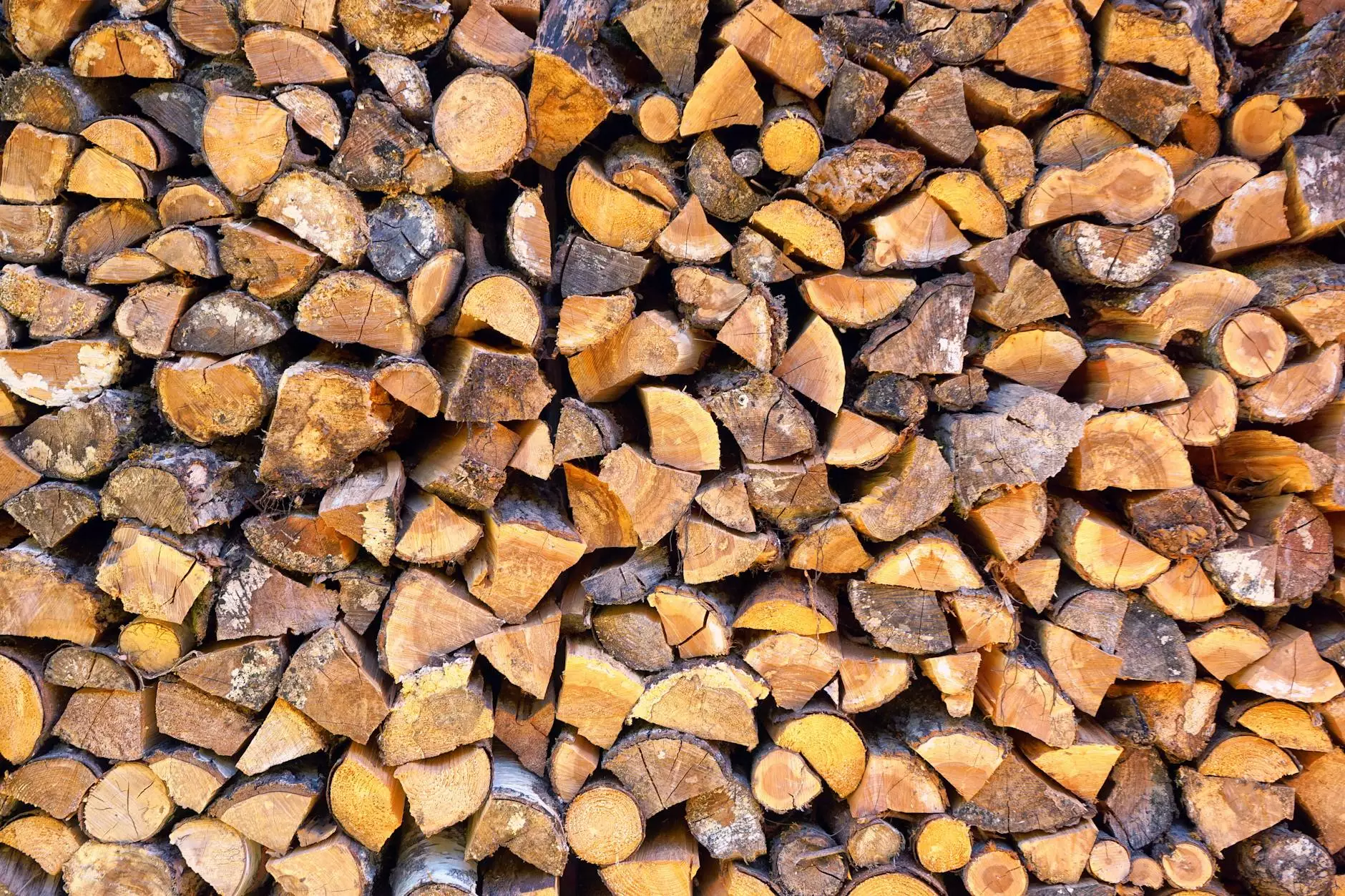
Firewood is more than just fuel for your fireplace; it’s an essential element that contributes to a cozy and warm atmosphere, especially during chilly months. Understanding the significance of quality firewood can transform your experience of warmth and comfort in your home. As you delve deeper into the world of firewood, you’ll discover various types, efficient burning techniques, and the environmental benefits associated with using wood as a heating source. This article focuses on the importance of quality firewood and guides you through selecting the best firewood options available on wood-trans.com.
The Importance of Quality Firewood
When it comes to firewood, not all logs are created equal. Quality firewood is crucial for several reasons:
- Efficiency: Premium firewood burns hotter and longer, maximizing heat output.
- Less Smoke: High-quality hardwoods produce less smoke, creating a cleaner and healthier indoor environment.
- Sparking: Better wood results in fewer sparks, ensuring safety during use.
- Ease of Ignition: Well-seasoned firewood ignites more easily, saving you time and effort.
Types of Firewood: A Comprehensive Overview
There are two primary categories of firewood: hardwood and softwood. Each type has distinct characteristics that impact burning effectiveness and the aroma they produce. Below is a summary of both types:
Hardwood Firewood
Hardwood comes from deciduous trees that lose their leaves annually. They are denser than softwoods and generally provide a longer, hotter burn. Here are some popular hardwood types:
- Oak: Offers a long burn time and a strong heat output, making it ideal for winter fires.
- Maple: Burns hot and clean, producing beautiful flames and minimal smoke.
- Hickory: Known for its aromatic properties, it’s perfect for grilling and also produces an intense heat.
Softwood Firewood
Softwood originates from coniferous trees, which typically grow faster than hardwoods. They burn quickly, making them a great option for quick fires. Popular softwoods include:
- Pine: Easy to ignite and produces a lot of flames; however, it burns faster than hardwood.
- Spruce: Burns quickly and provides good light, making it useful for kindling.
- Cedar: Emits a pleasant aroma and is great for outdoor fires.
Choosing the Right Firewood for Your Needs
Selecting the appropriate firewood can significantly affect your burning experience, whether for heating your home or simply enjoying a fire outside. Here are factors to consider when choosing your firewood:
1. Purpose of Use
Determine why you need the firewood:
- Heating: Opt for hardwoods for prolonged heat.
- Outdoor Cooking: Consider aromatic woods like hickory or mesquite for flavor.
- Camping: Lightweight softwoods are ideal for easy transport.
2. Seasoning
Well-seasoned firewood is critical. Freshly cut wood (green wood) contains high moisture content, which makes it harder to ignite and leads to excessive smoke. Here’s how to ensure your firewood is seasoned:
- Drying Time: Firewood should be split and stacked for about six to twelve months before use.
- Checking Moisture: Aim for a moisture content below 20% for optimal burning.
- Appearance: Seasoned wood appears cracked, with a grayish color.
Environmental Benefits of Using Firewood
Using firewood as a source of energy comes with considerable environmental benefits:
Renewable Resource
Wood is a renewable resource, especially when sourced from well-managed forests. Trees capture carbon dioxide as they grow, offsetting emissions when used as firewood.
Lower Carbon Footprint
Burning wood releases carbon that the tree absorbed during its lifetime, creating a carbon-neutral cycle. This contrasts with fossil fuels, which release carbon that has been trapped for millions of years.
Supporting Local Economies
Purchasing firewood from local suppliers supports small businesses and boosts the local economy, promoting sustainable practices.
How to Properly Store Firewood
Proper storage of firewood is essential for maintaining its quality and maximizing its burning efficiency. Here are some tips on how to store firewood effectively:
1. Choose the Right Location
Select a well-ventilated area away from damp conditions. Elevate the wood off the ground to prevent moisture absorption, using pallets or a firewood rack.
2. Keep It Covered
While you want to ensure airflow, it’s vital to protect your firewood stash from rain and snow. Use a tarp or a wood shed, but allow the sides to remain open for ventilation.
3. Organize Regularly
Keep your firewood neatly stacked and organized to facilitate drying and access. Regular inspection allows you to remove any wood that may have gone bad.
Conclusion: Embrace the Warmth of Quality Firewood
As you explore the world of firewood, remember that quality matters. Transitioning to premium firewood not only enhances your burning experience but also contributes positively to the environment. Whether you are using your firewood for a cozy evening at home or for outdoor adventures, investing in the right type of firewood will ensure maximum enjoyment.
For more information on purchasing quality firewood and to learn about various options available, visit wood-trans.com. Your journey to better and more efficient firewood starts here!
https://wood-trans.com/