The Essential Role of GRP Manufacturers in Modern Industries
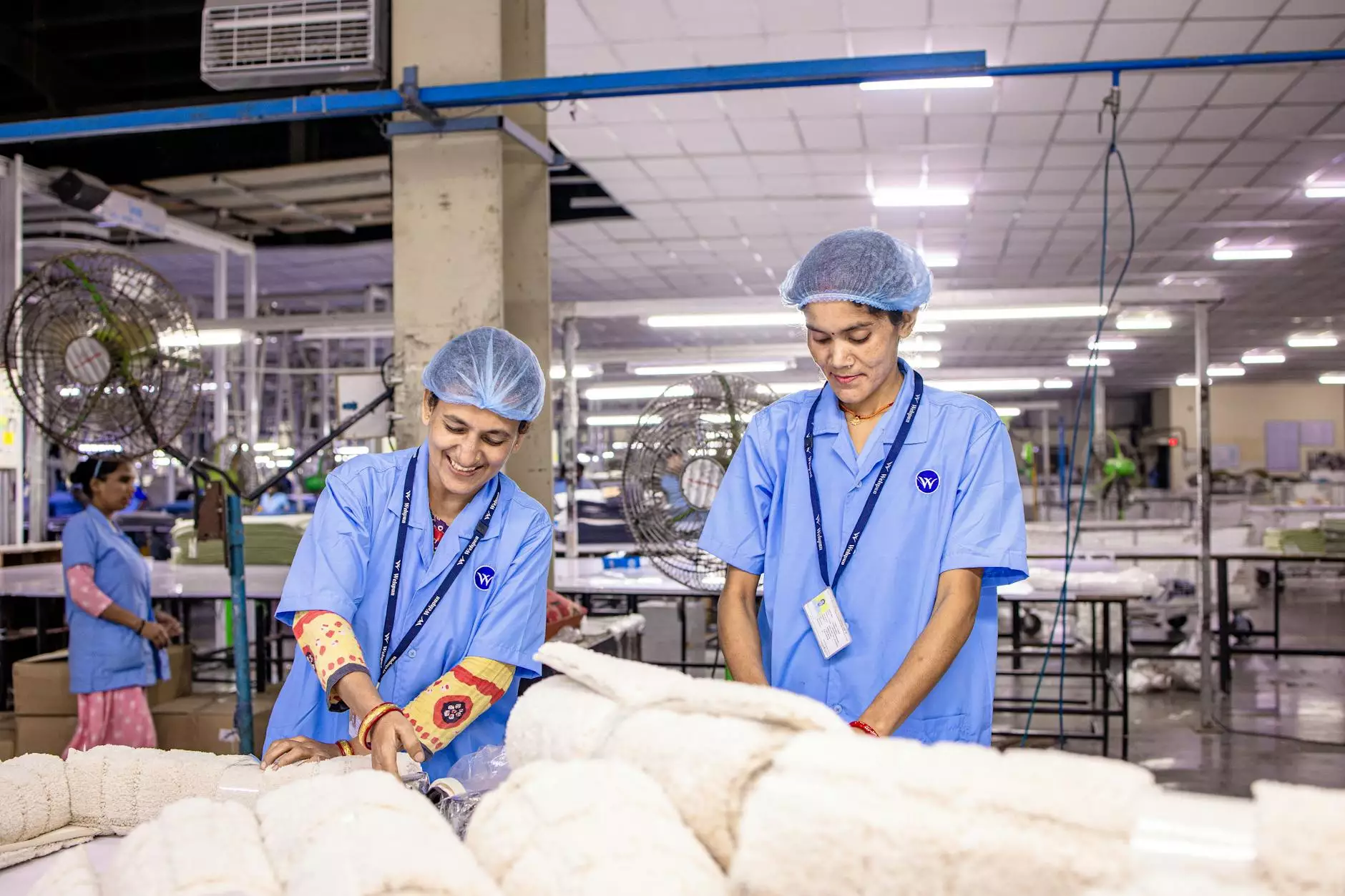
Glass Reinforced Plastic (GRP), also known as fiberglass, is a composite material that has transformed various sectors by offering strength, durability, and versatility. It is no wonder that GRP manufacturers are crucial players in the market, driving innovation and efficiency. This article delves deep into the significance of GRP manufacturers, their processes, benefits, and future trends in composite materials.
What is GRP?
Glass Reinforced Plastic is a lightweight composite material made from a resin that is reinforced with fiberglass. It possesses characteristics such as:
- High strength-to-weight ratio: GRP is significantly stronger than traditional plastics while being much lighter than metals.
- Corrosion resistance: GRP is immune to rusting and has excellent resistance to environmental factors, making it ideal for outdoor applications.
- Versatility: GRP can be manufactured in various shapes and sizes, catering to diverse industry needs.
- Cost-effectiveness: Compared to metals and other materials, GRP can be more economical in many applications.
The Manufacturing Process of GRP
The process of creating GRP is intricate and involves several steps. Here is a detailed look at how GRP manufacturers produce this composite material:
1. Material Selection
The first step in the manufacturing process involves choosing the right materials. Typically, this includes:
- Resins: Polyester and epoxy resins are the most commonly used due to their various advantageous properties.
- Fiberglass: Different grades of fiberglass are chosen based on the required strength and application.
2. Preparing the Mold
Molds are prepared based on the desired product shape and dimensions. The surface of the mold is treated to ensure a smooth finish on the final product. Manufacturers might use:
- Gel coats: To provide a protective and aesthetic surface layer.
- Release agents: To facilitate easy removal of the finished product from the mold.
3. Layup Process
The layup process is where the resin and fiberglass are combined. This can be done in various ways:
- Hand lay-up: Involves manually placing layers of fiberglass and resin into the mold.
- Spray-up: Fiberglass strands are sprayed and coated in resin before being applied to the mold.
- Filament winding: Used for cylindrical products, where fiberglass filaments are wound around the mold.
4. Curing
Once the layup is completed, the product is cured to harden the resin. Curing can occur at room temperature or be accelerated by external heat sources. Proper curing is crucial for achieving the desired mechanical properties and durability of the final product.
5. Finishing Touches
After curing, GRP products undergo finishing processes such as:
- Sanding: To eliminate any imperfections and prepare for painting or covering.
- Trimming: Excess material is removed to meet specifications.
- Painting or coating: Enhances appearance and provides additional protection.
Applications of GRP in Various Industries
The versatility of GRP makes it suitable for a wide range of applications across various industries. Here are some prominent use cases:
1. Transportation
GRP manufacturers produce lightweight components for automotive and aerospace industries, which help in reducing fuel consumption and improving efficiency. Car panels, boat hulls, and airplane fuselages are made from GRP to take advantage of its strength and weight properties.
2. Construction
In the construction sector, GRP is used for:
- Roofing: GRP roofing systems are durable and waterproof.
- Architectural elements: Custom shapes and designs can be made from GRP for aesthetic appeal.
- Piping and Tanks: GRP is favored for piping systems due to its corrosion resistance.
3. Electrical and Electronics
GRP is utilized in manufacturing housings, insulators, and components in the electrical industry due to its excellent dielectric properties.
4. Sports and Leisure
From surfboards to sports equipment, GRP enhances performance through both strength and lightweight characteristics, showing its adaptability in leisure products.
Benefits of Working with GRP Manufacturers
Choosing to work with established GRP manufacturers comes with a plethora of benefits:
1. Customization
One of the most significant advantages is the ability to create customized products tailored to specific needs, whether that be in size, design, or functionality.
2. Technical Expertise
GRP manufacturers have extensive knowledge of material properties, production methods, and finishing processes, ensuring high-quality outcomes.
3. Cost Efficiency
By working with manufacturers who specialize in GRP, companies can reduce costs associated with material waste, production times, and post-processing—leading to enhanced profit margins.
4. Sustainability
Modern GRP manufacturers are increasingly adopting sustainable practices, such as utilizing eco-friendly resins and recycling materials, addressing the growing demand for environmentally responsible solutions.
Future Trends in GRP Manufacturing
The future of the composite industry looks promising. Here are some trends currently shaping GRP manufacturing:
1. Advancements in Materials
New formulations of resins offering improved mechanical properties, along with the introduction of bio-based fiberglass, will enhance the performance and sustainability of GRP products.
2. Automation and Technology
Incorporating advanced manufacturing technologies such as 3D printing and automated layup systems can improve production efficiency and reduce labor costs.
3. Integration of Smart Technologies
Manufacturers are exploring ways to integrate smart sensors and IoT capabilities into GRP products, opening new avenues for innovation in monitoring and maintenance applications.
4. Enhanced Environmental Practices
As environmental concerns increase, GRP manufacturers will focus on reducing emissions and waste through cleaner production methods and lifecycle assessments.
Conclusion
The role of GRP manufacturers is indispensable in today's industry landscape, providing innovative solutions that meet the demands of various sectors. With a steadfast commitment to quality, customization, and sustainability, these manufacturers not only shape the future of composite materials but also drive efficiency and innovation in production processes.
As industries continue to evolve, the reliance on GRP and the capabilities of its manufacturers will only grow, highlighting their significant impact on technological advancements and environmental stewardship. For businesses looking to leverage composite materials, aligning with competent and quality-focused GRP manufacturers like Celtic Composites is a strategic decision that could lead to remarkable outcomes in performance, cost savings, and market competitiveness.