The Intriguing World of Cannabi: A Deep Dive into Cannabis Dispensaries
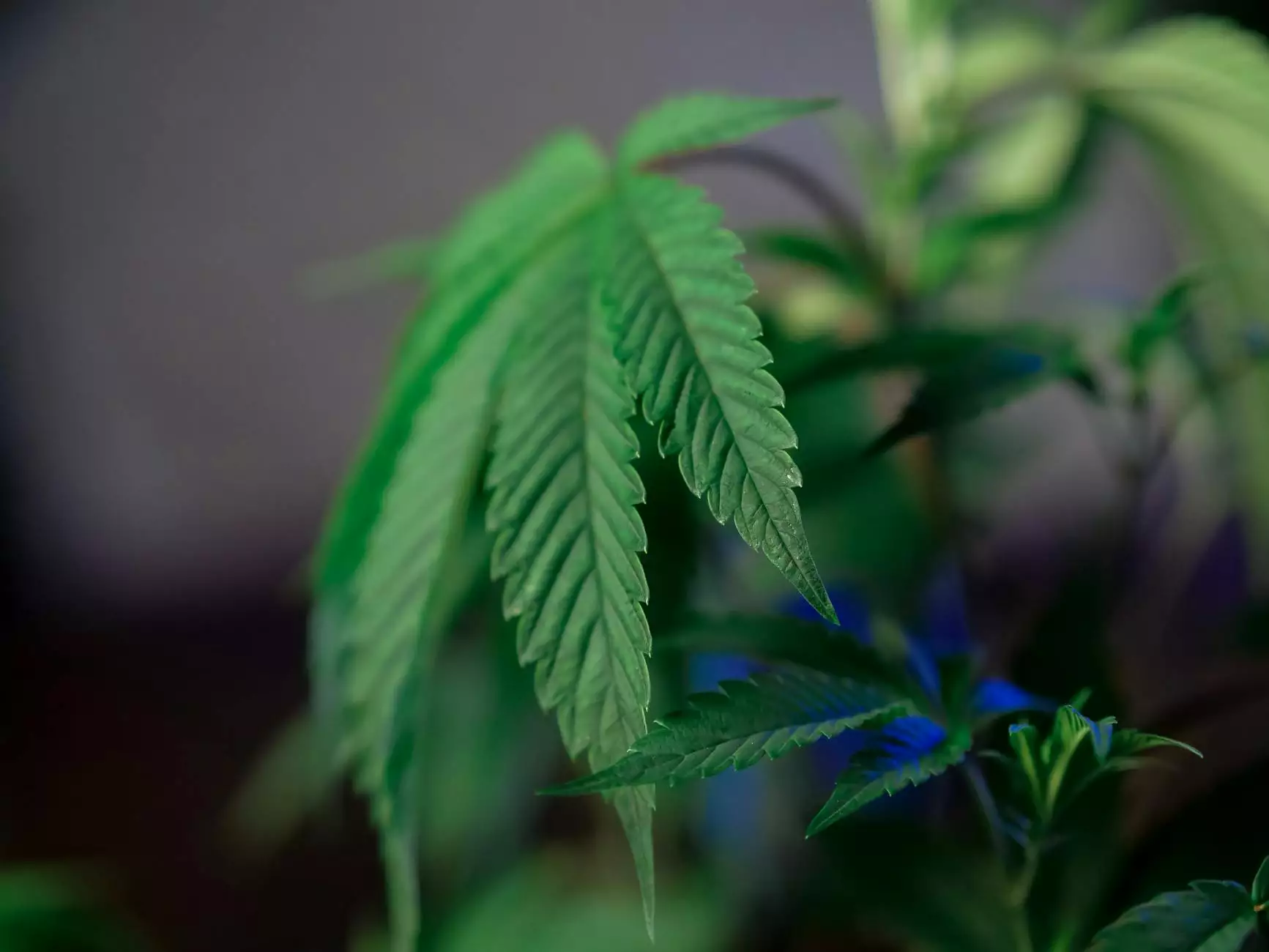
In recent years, the cannabis industry has flourished, turning cannabi — often mistakenly referred to as a shorthand for cannabis — into a significant player in various markets. With the growing acceptance of cannabis for both medicinal and recreational purposes, cannabis dispensaries have emerged as key establishments linking consumers to this versatile plant. This article delves into the evolution of cannabis, the rise of dispensaries, and the transformative effects this industry has on society.
Understanding Cannabi: The Basics
The term "cannabi" generally relates to the cannabis plant, a unique genus in the family Cannabaceae. This plant has been cultivated for thousands of years for its fibers, seeds, and psychoactive compounds. Given its diverse uses, it is crucial to understand the different aspects associated with cannabis:
- Medicinal Use: Cannabis has been employed in traditional medicine worldwide, primarily for its analgesic, anti-inflammatory, and neuroprotective properties.
- Recreational Use: In many regions, cannabis is used for recreational purposes. Its psychotropic effect is mainly due to the compound tetrahydrocannabinol (THC).
- Industrial Use: The hemp variant of cannabis contributes to various industries, including textiles, food products, and biodegradable plastics.
The Rise of Cannabis Dispensaries
The legalization of cannabis in numerous countries and states has sparked the establishment of cannabis dispensaries, which serve as retail outlets for cannabis products. These dispensaries have redefined how consumers interact with cannabis by providing safe and legal access to a variety of cannabi products. Let's explore the vital roles these dispensaries play.
Education and Information Resource
One of the primary benefits of cannabis dispensaries is their role as education and information hubs. Customers can consult with knowledgeable staff trained to inform about various cannabis strains, their effects, and potential therapeutic benefits. Dispensaries often provide:
- Strain Information: Detailed descriptions of different strains, highlighting THC and CBD content, effects, and intended use.
- Consumption Methods: Education on consumption methods, including smoking, vaping, edibles, and topicals.
- Dosage Guidance: Guidance on dosage and responsible consumption, which is crucial for new users.
Safe and Legal Access
Cannabis dispensaries ensure that customers can access cannabi products safely and legally. They provide a controlled environment where products are tested and regulated, which eliminates concerns about substandard or contaminated goods. Legal dispensaries typically offer:
- Lab-Tested Products: Assurance of quality through third-party lab testing, ensuring products are free from harmful substances.
- Compliance with Regulations: Adherence to local laws regarding sales, labeling, and product limits.
The Role in Community Building
Beyond commerce, cannabis dispensaries often foster community ties by participating in local events and contributing to regional economic growth. They create job opportunities and support local farmers and manufacturers. Dispensaries might engage in:
- Charity and Fundraising: Sponsoring or hosting events that raise money for local charities.
- Education Initiatives: Offering workshops or informational sessions to demystify cannabis for the public.
The Economic Impact of Cannabis Dispensaries
The economic ramifications of the cannabis industry, particularly through the establishment of cannabis dispensaries, are profound. As regions embrace legalization, the economic potential of cannabis is becoming increasingly evident:
Job Creation
Cannabis dispensaries have generated numerous jobs, from budtenders to managerial roles, contributing significantly to local employment rates. As the industry grows, these establishments require a range of professionals:
- Sales Associates: Staff trained to assist customers and provide product information.
- Security Personnel: Ensuring safety within dispensary locations.
- Management and Marketing: Professionals overseeing operations, staffing, and customer outreach.
Tax Revenue Generation
Legal cannabis sales contribute significant tax revenue to local and state governments. This influx of funds can support a variety of public services, such as:
- Education Systems: Funding for schools and educational initiatives.
- Public Health: Enhancing health care services and facilities.
- Infrastructure: Improvement and maintenance of roads, parks, and public spaces.
Navigating the Challenges of Cannabis Dispensaries
Despite their growth and positive impacts, cannabis dispensaries face several challenges that can hinder their operations and acceptance:
Regulatory Hurdles
Each region has specific regulations governing cannabis sales, which can be complex and ever-evolving. Dispensaries must:
- Comply with Licensing Requirements: Navigating the application process for state and local licenses.
- Stay Updated on Legal Changes: Keeping abreast of shifting regulations that may impact operations.
Social Stigmas
Despite increasing acceptance, stigma surrounding cannabis use still exists. Education is essential to changing perceptions and promoting the benefits of cannabi products. Dispensaries can help shift attitudes by:
- Community Engagement: Actively participating in discussions and local events to dispel myths.
- Promotion of Responsible Use: Encouraging safe and informed consumption practices among customers.
The Future of Cannabis Dispensaries
As the cannabis landscape continues to evolve, the role of cannabis dispensaries is likely to expand. Several trends may shape their future:
Technological Advancements
The integration of technology in cannabis dispensaries is on the rise. Innovations such as:
- Online Ordering: Providing customers the convenience of ordering via websites or apps.
- Digital Payment Solutions: Introducing cashless systems to streamline transactions.
Increased Research and Development
With growing interest in cannabis, the potential for research and development is enormous. Dispensaries might witness the introduction of:
- Novel Products: Innovative products targeting specific consumer needs, such as wellness and functional foods.
- Therapeutic Uses: Expanding insights into the medicinal benefits of cannabis through ongoing research.
Conclusion: The Bright Future of Cannabis Dispensaries
The rise of cannabis dispensaries marks a pivotal moment in the acceptance and commercialization of the cannabis industry. They serve not only as a point of sale but also as educational resources, community hubs, and contributors to economic growth. With continued advocacy and responsible practices, cannabi products will likely play a prominent role in the future of health and wellness. As regulations evolve, so too does the opportunity for cannabis dispensaries to redefine their impact on society. The future is bright, and the prospects for cannabis dispensaries are more exciting than ever.