Revolutionizing Agriculture: Understanding Agro Drones
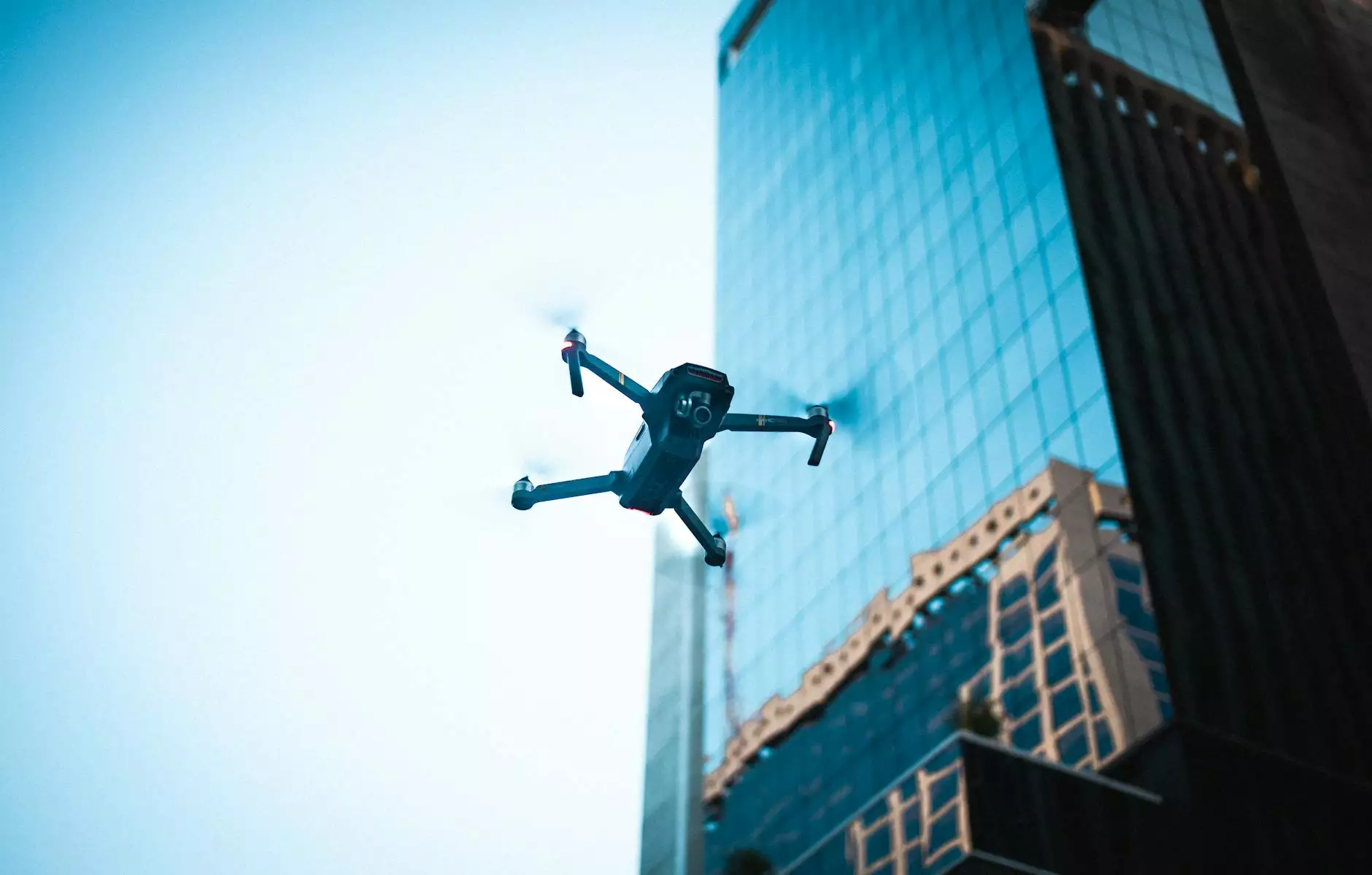
The modern agricultural industry is rapidly evolving, and at the forefront of this transformation is the utilization of agro drones. These sophisticated unmanned aerial vehicles (UAVs) are enhancing efficiency, minimizing resource waste, and promoting sustainable farming practices. This article delves deeply into the multifaceted benefits of using agro drones, their diverse applications in the field, and their pivotal role in the future of agriculture.
What are Agro Drones?
Agro drones are specialized drones designed specifically for agricultural purposes. These drones come equipped with advanced technologies, including high-resolution cameras, multispectral sensors, and GPS capabilities. With the ability to survey vast tracts of farmland quickly, they provide farmers with critical data that helps in making informed decisions.
The Importance of Agro Drones in Modern Agriculture
As the world’s population continues to grow, the demand for food is soaring. Traditional farming methods are often insufficient to meet these demands, leading to the need for innovative solutions like agro drones. Here are some compelling reasons why agro drones are becoming indispensable in the agricultural sector:
- Precision Farming: Agro drones enable farmers to practice precision agriculture, which uses data analytics to optimize field-level management regarding crop farming.
- Real-Time Data Collection: Agro drones can collect vast amounts of data in real-time, providing insights into crop health, soil conditions, and overall farm productivity.
- Cost-Effectiveness: By reducing the dependency on manual labor and minimizing resource use (like water and fertilizers), agro drones can lead to significant cost savings for farmers.
- Time Efficiency: Traditional surveying methods can be time-consuming. Agro drones can cover large areas in a fraction of the time, allowing farmers to focus on other essential tasks.
- Sustainability: By optimizing resource usage and enhancing crop yield, agro drones contribute to more sustainable farming practices.
Applications of Agro Drones in Agriculture
The applications of agro drones in the agricultural industry are diverse and impactful. Here are some of the key applications:
1. Crop Monitoring
Crop monitoring is one of the primary uses of agro drones. Equipped with high-resolution cameras and sensors, drones can capture aerial images of crops, allowing farmers to monitor plant health and detect issues such as pest infestations or nutrient deficiencies early on.
2. Soil Analysis
Before planting, it is crucial to analyze soil conditions accurately. Agro drones can perform soil analysis by collecting data to measure moisture levels, pH, and nutrient content. This information is essential for determining optimal planting strategies and crop selections.
3. Irrigation Management
Efficient irrigation practices can significantly enhance crop yield while conserving water resources. Agro drones allow for detailed aerial mapping of fields to identify dry areas, ensuring targeted and efficient irrigation.
4. Crop Spraying
Agro drones can also be used for crop spraying, utilizing less pesticide and fertilizer compared to traditional methods. Drones can precisely target areas requiring treatment, minimizing chemical use and maximizing effectiveness.
5. Yield Prediction
By analyzing collected data throughout the growing season, agro drones help in predicting future yields. This capability enables farmers to make informed decisions regarding harvesting and selling their produce.
Benefits of Incorporating Agro Drones in Farming
The incorporation of agro drones into farming practices offers myriad benefits that can significantly enhance productivity and profitability. Some of the most notable benefits include:
- Enhanced Crop Health: With continuous monitoring, farmers can take swift action against potential threats, improving overall crop health.
- Increased Yields: Optimized farming practices through data-driven decisions lead to higher yields and improved quality of produce.
- Labor Savings: Automation of tasks traditionally performed by workers results in significant labor cost savings.
- Resource Conservation: Efficient use of water, fertilizers, and pesticides helps in conserving resources and reducing environmental impact.
- Greater Scalability: Drones allow farmers to scale their operations easily without the need for extensive manual labor.
The Future of Agro Drones in Agriculture
The future of agro drones appears promising, with rapid technological advancements continually enhancing their capabilities. Expected trends include:
1. Integration with AI and Machine Learning
As AI and machine learning technologies advance, agro drones will increasingly incorporate these innovations to analyze data more effectively, predict outcomes, and provide personalized recommendations to farmers.
2. Enhanced Regulation Compliance
With the rise of agricultural drones, regulatory bodies will establish more comprehensive guidelines to ensure safe and responsible use. Agro drones will likely become subject to regulations that foster both innovation and safety.
3. Broader Adoption Across Agricultural Sectors
While currently more prevalent in larger farming operations, agro drones are expected to see broader adoption across smaller farms, thanks to decreasing costs of technology and increased ease of use.
4. Improved Battery Life and Payload Capacity
Technological advancements will likely improve the battery life of drones, allowing for longer operation times and the ability to carry larger payloads for tasks such as spraying and seeding.
Challenges and Considerations
While the benefits of agro drones are substantial, there are challenges that stakeholders must address:
- Initial Costs: The upfront investment for acquiring agro drones can be significant, affecting adoption rates among smaller farms.
- Technical Know-How: Farmers need to possess a certain level of technical expertise to operate drones and interpret the data they provide.
- Regulatory Hurdles: Navigating the regulatory landscape concerning drone usage can be complex and may deter potential adopters.
Conclusion: Embracing the Future with Agro Drones
As evidenced by the transformative impact of agro drones in modern farming, the future of agriculture seems promising. These innovative technologies are not just enhancing productivity but also paving the way for a more sustainable and resource-efficient agricultural practice. As more farmers adopt agro drones, we can anticipate a considerable shift in how food is produced, managed, and delivered in the coming years.
Those looking to stay ahead in the agricultural sector should consider investing in agro drones as part of their operational strategy. The benefits of precision agriculture, cost savings, and improved yields are too significant to ignore.
For more information on the latest in agricultural technology and to explore our range of agro drones, visit a-drones.com.