The Essential Role of a Game Sound Designer in Game Development
In the bustling and competitive world of game development, where creativity meets technology, the role of a game sound designer is paramount. This article delves deep into the multifaceted responsibilities of a game sound designer, the significance of sound in gaming, and how outsourcing sound design can empower your gaming projects.
Understanding the Role of a Game Sound Designer
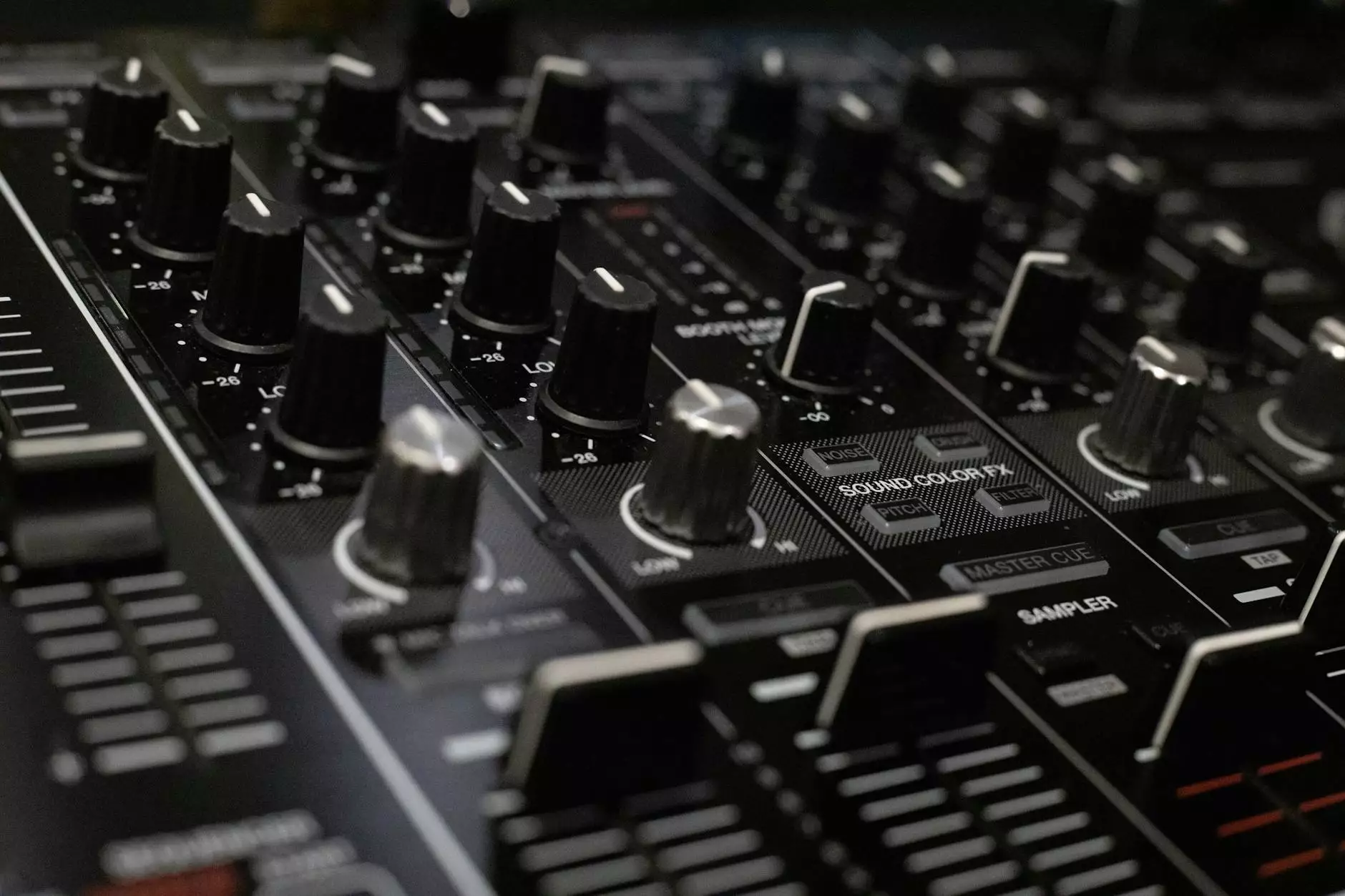
A game sound designer specializes in the creation, manipulation, and integration of audio elements within video games. This includes everything from background music to sound effects that enhance the player’s experience. Here’s a breakdown of the varied responsibilities associated with this role:
- Audio Asset Creation: Designing sound effects and background music that align with the game's theme and enhance immersion.
- Field Recording: Capturing real-world sounds that can be manipulated and used in-game.
- Sound Editing: Utilizing software to edit and refine audio tracks, ensuring high quality and consistency.
- Collaboration: Working closely with game developers, artists, and writers to ensure cohesive audio-visual representation.
- Implementation: Integrating audio assets into the game engine, making sure they trigger appropriately during gameplay.
Why Sound Design is Crucial in Gaming
Sound design is not merely an addition to gaming; it is a critical component that can define the success or failure of a game. Here’s how:
1. Enhancing Immersion
Good sound design creates an atmosphere that draws players in. From the eerie sound of footsteps in a horror game to the triumphant notes of a score after completing a level, audio gives context and depth. The right sound effects can elevate ordinary gameplay into an extraordinary experience.
2. Providing Feedback
Sound serves as a feedback mechanism for players. For instance, positive auditory cues can reward players for achievements, while negative cues can indicate errors or dangers. This auditory feedback loop enhances the user experience significantly.
3. Storytelling Through Sound
Audio can convey emotions and storyline nuances that visuals alone cannot. A compelling soundtrack can subtly lead the player through the emotional highs and lows of a game's narrative, making the storyline resonate more deeply.
How a Game Sound Designer Contributes to Business Success
The impact of a talented game sound designer extends beyond the auditory realm; it influences the overall business success of a game. Here’s how sound design can positively impact your business:
1. Competitive Edge
A well-crafted audio experience can provide a competitive advantage in a saturated market. Games that feature unique and engaging sound design often capture players' attention, leading to better sales and increased player loyalty.
2. Building Brand Identity
Just as visual elements contribute to brand identity, sound plays a significant role. Memorable jingles or sound logos can enhance brand recognition and loyalty. Players often associate specific sounds with certain game publishers or franchises.
3. Increasing Engagement and Retention
Games that deliver an engaging auditory experience tend to keep players invested longer. This increases not only immediate sales but also lifetime value per player. Engaged players are more likely to share their experience, leading to organic marketing.
The Advantages of Outsourcing Game Sound Design
Outsourcing your sound design to experts can offer significant benefits, particularly for game development companies like Pinglestudio. Here are some compelling reasons to consider:
1. Access to Expertise
Partnering with a dedicated sound design company ensures you have access to professionals who specialize in audio creation. This can lead to a level of sound quality and creativity that might be difficult to achieve in-house.
2. Cost Efficiency
Outsourcing can often be more cost-effective than hiring in-house staff, especially for smaller studios. It allows you to allocate resources to other critical aspects of game development.
3. Scalability
As your game development needs grow, outsourcing provides the flexibility to scale your audio resources up or down without the long-term commitment of hiring full-time staff.
Choosing the Right Game Sound Designer
When looking for the right sound design partner, consider the following criteria to ensure that their vision aligns with your expectations:
1. Portfolio Experience
Review their portfolio to see if they have experience with games that are similar to yours in terms of genre and style. Listen to how they implement audio in their previous projects.
2. Communication Skills
Effective communication is crucial for successful collaboration. Choose a sound designer who is open to feedback and can articulate their ideas clearly.
3. Technical Proficiency
Ensure the designer is proficient with the necessary software and game engines used in your project. This knowledge will streamline the development process.
4. Creative Vision
Find a designer who shares your passion for storytelling through sound. Their creative vision should complement your game’s theme and enhance its narrative.
The Future of Sound Design in Gaming
As technology advances, so does the realm of sound design. The future holds exciting possibilities:
1. Adaptive Soundscapes
With the rise of artificial intelligence, we can expect more dynamic soundscapes that adapt based on player actions and environments, leading to even deeper immersion.
2. Virtual and Augmented Reality
The integration of sound in VR and AR is becoming increasingly sophisticated, providing players with an experience that feels more tangible. Understanding spatial audio is essential in these emerging fields.
3. Enhanced Interactive Audio
As the industry evolves, interactive audio solutions will allow sound to change dynamically based on gameplay, offering a unique auditory experience tailored to individual players.
Conclusion
In conclusion, a game sound designer plays a crucial role in the success of game development. Their expertise transforms a flat gaming experience into a rich, multi-layered adventure that captivates players and propels businesses forward. By considering outsourcing certain aspects of sound design, such as partnering with a company like Pinglestudio, game developers can access top-tier audio talent while focusing on their core competencies. As we look to the future of gaming, the importance of sound will only continue to grow, making the role of sound designers even more essential.