Understanding Freight Shipping Rates: A Comprehensive Guide
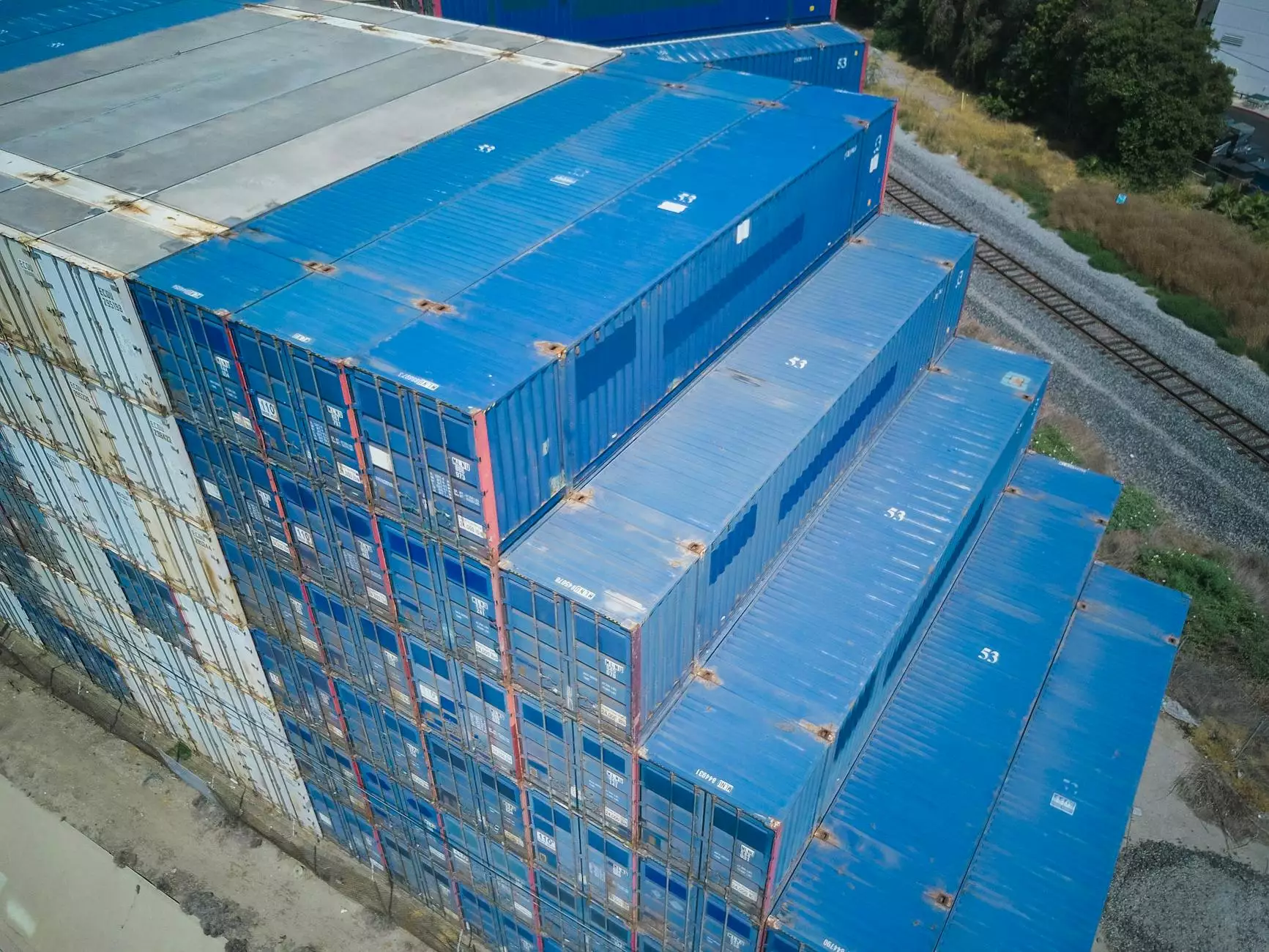
In the world of logistics and transportation, freight shipping rate is a critical component that businesses must navigate. As e-commerce and global trade expand, understanding what influences these rates has never been more important. This guide is designed to provide a thorough overview of freight shipping rates, including the factors that affect them, how to calculate them, and strategies to optimize shipping costs.
What Are Freight Shipping Rates?
Freight shipping rates refer to the costs associated with transporting goods from one location to another. These rates can vary significantly based on multiple factors including distance, weight, dimensions, the mode of transportation, and the type of goods being shipped. Understanding these rates is vital for any business that relies on shipping to deliver products to customers or to receive supplies.
Components of Freight Shipping Rates
- Distance: The farther the shipment needs to travel, the higher the cost. Distance affects fuel consumption and transit time.
- Weight: Heavier shipments typically incur higher rates. Carriers often have a tiered pricing structure based on weight categories.
- Dimensions: The size of the package can also affect shipping costs. Larger items may require special handling or more space on a shipping vessel.
- Mode of Transportation: Shipping rates differ based on whether goods are transported via truck, rail, air, or ocean freight. Air freight is usually the most expensive, while rail or sea can be more cost-effective for larger shipments.
- Nature of Goods: Hazardous materials or items requiring refrigeration may attract higher fees due to the special handling required.
Factors Influencing Freight Shipping Rates
Understanding the intricacies of freight shipping rates is essential for businesses aiming to minimize costs. Here are several factors that can significantly impact freight shipping rates:
1. Type of Freight
The type of freight being shipped plays a significant role in determining rates. There are three main categories of freight: dry van, flatbed, and reefer (refrigerated). Each of these carries different costs associated with handling, storage, and transportation.
2. Fuel Prices
Fuel prices are one of the most volatile expenses in shipping. When fuel prices rise, freight rates often increase as carriers pass on additional costs to shippers. Monitoring fuel price trends can help businesses anticipate shipping cost fluctuations.
3. Seasonal Demand
Shipping rates can vary seasonally. For example, during holiday seasons or peak shopping times, demand for shipping services increases, leading to higher rates.
4. Transportation Infrastructure
The condition and availability of infrastructure such as roads, ports, and railways also influence freight shipping rates. Congested routes may lead to delays and increased costs.
5. Insurance and Liability
Shipping insurance and liability for lost or damaged goods can add to the total freight rate. Businesses should assess the level of coverage they need to protect their shipments and incorporate these costs when budgeting for shipping.
How to Calculate Freight Shipping Rates
Calculating freight shipping rates accurately is crucial for budgeting and overall financial planning. Here are steps to help businesses calculate their shipping rates:
Step 1: Determine Well-Dimensioned Weight
Freight shipping rates can be calculated based on the actual weight of the shipment or the dimensional weight (dimensional shipping weight). The formula for dimensional weight is:
Dimensional Weight = (Length x Width x Height) / Dimensional FactorCarriers use different dimensional factors, often ranging from 166 for domestic shipments to 139 for international shipments. Always confirm with your carrier for the specific dimensional factor they use.
Step 2: Use Rate Tools
Many freight carriers and brokers provide online freight calculators. Use these tools to input your shipment details—weight, dimensions, origin, and destination—to receive a freight quote. Websites like freightrate.com can offer valuable insights and comparative rates from various carriers.
Step 3: Account for Additional Costs
Don’t forget to include:
- Fuel surcharges
- Tolls and accessorial fees
- Insurance costs
- Handling fees
Adding these costs to your base shipping rate will give you the total freight cost.
Tips to Reduce Shipping Costs
To maximize profitability and minimize the impact of freight shipping rates, consider the following strategies:
1. Optimize Packaging
Reducing the dimensions of packages can significantly lower shipping costs since carriers charge based on weight and dimensions. Compact packaging also allows more goods to be shipped in one load, reducing overall shipping frequency.
2. Leverage Technology
Utilizing shipping software and automation can help streamline your shipping operations and provide better insight into shipping costs. Many programs offer data analysis tools that can help determine the best shipping options.
3. Negotiate Rates with Carriers
Establishing a good relationship with your freight carriers can lead to better rates. Don’t hesitate to negotiate bulk rates or long-term contracts, which can result in lower shipping costs.
4. Use Third-party Logistics (3PL) Providers
3PL providers can help optimize your shipping strategy. They have established relationships with various carriers and can provide access to better rates due to their freight volume.
Conclusion
Understanding and managing freight shipping rates is an essential task for businesses involved in shipping and logistics. By considering the various factors that impact shipping costs, utilizing technology, and continuously negotiating for better rates, businesses can improve their bottom line. The journey of mastering freight shipping rates is ongoing, but with the right strategies in place, any business can achieve cost-effective and efficient shipping solutions.
For more information on optimizing your shipping processes and understanding freight shipping rates, visit our website freightrate.com.