The Comprehensive Guide to Stove Pellets: Your Ultimate Resource
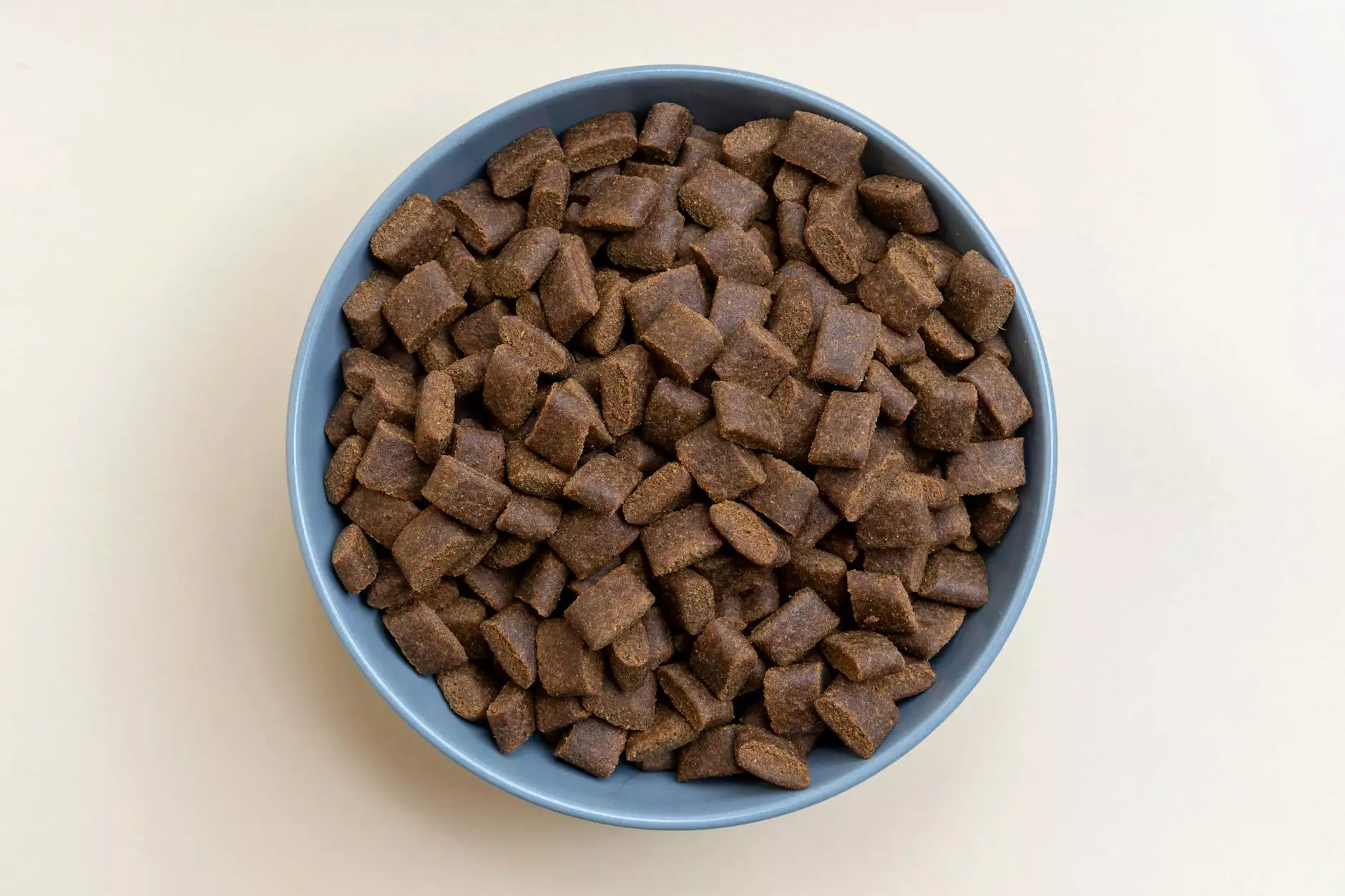
As the demand for sustainable and efficient heating solutions continues to rise, stove pellets have emerged as a popular choice for homeowners and businesses alike. This detailed article will explore everything you need to know about stove pellets, from their composition and benefits to sourcing high-quality products locally. For those interested in timber supply, we also provide insights into how the business of wood suppliers is evolving in response to the needs of pellet consumers.
What Are Stove Pellets?
Stove pellets are small cylindrical pieces of compressed wood or biomass. They are typically made from sawdust, wood shavings, and other wood residues that are freed from bark and then dried and processed into pellets. This eco-friendly fuel source is versatile and efficiently burns in pellet stoves and other small heating appliances. But what are the advantages of using stove pellets over traditional fuels?
Benefits of Using Stove Pellets
1. Environmental Impact
One of the foremost advantages of stove pellets is their minimal environmental footprint. Unlike fossil fuels, which emit greenhouse gases and contribute to global warming, pellets are made from renewable resources. They are considered carbon-neutral because the CO2 released during combustion is equivalent to the amount absorbed by the trees during their growth.
2. Efficient Heating
Stove pellets provide a high heat output while maintaining a consistent burn time. When compared to traditional firewood, pellets deliver more heat with less ash produced, making them a highly efficient choice for heating your home.
3. Convenience and Ease of Use
Using stove pellets is incredibly convenient. They can be stored easily in bags, reducing the mess and space requirements of traditional firewood. Many pellet stoves also feature automatic feed systems and thermostats, allowing users to set their desired temperature without constant supervision.
4. Cost-Effective
While the initial investment in a pellet stove may be higher than conventional wood-burning options, the long-term savings are significant. Stove pellets typically cost less than oil or propane, making them a cost-effective heating solution, especially during the colder months.
How to Source Quality Stove Pellets
Sourcing high-quality stove pellets is crucial to ensure you maximize their benefits. Here are some tips on sourcing them effectively:
1. Look for Local Suppliers
Local wood suppliers can be a great resource for stove pellets. By purchasing from local sources, you can often save on shipping costs and support your community's economy. If you are looking to buy timber in bulk, many suppliers also offer discounts for larger quantities.
2. Check for Certifications
When selecting stove pellets, look for products certified by organizations such as the Pellet Fuel Institute (PFI). These certifications ensure that the pellets meet industry standards for quality and performance.
3. Read Reviews and Testimonials
Check online reviews and testimonials to gauge customer satisfaction. Feedback from prior users can provide insights into pellet performance and the reliability of the supplier.
Understanding the Composition of Stove Pellets
The composition of stove pellets plays a significant role in their performance. Quality pellets are typically composed of:
- Sawdust: This is the primary component, providing the necessary density to produce heat effectively.
- Wood Shavings: Additional wood materials often mixed with sawdust to enhance the pellet's integrity and combustion efficiency.
- Binders: While many high-quality pellets avoid additives, some may use natural binders to help compress and form the pellets.
How Stove Pellets Are Made
The manufacturing process for stove pellets is both fascinating and vital for understanding quality control. The main steps include:
- Collection of Biomass: Wood scraps and residues are collected from timber processing industries.
- Drying: The biomass is dried to achieve the appropriate moisture content before being processed into pellets.
- Grinding: The dried material is ground into a fine powder.
- Pelletizing: The powdered material is then compressed into pellets through a pellet mill under high heat and pressure.
- Cooling and Packaging: Once formed, the pellets are cooled and packaged for distribution.
Top Uses for Stove Pellets
Beyond just heating your home, stove pellets have various applications, including:
- Residential Heating: The most common use, providing warmth through pellet stoves.
- Commercial Heating: Many businesses utilize stove pellets for efficient heating in commercial spaces.
- Wood Pellet Grills: Many outdoor cooking enthusiasts use wood pellets for grilling, imparting rich flavors to food.
Choosing the Right Stove Pellets
Choosing the right stove pellets involves considering several factors:
1. Type of Wood
The type of wood used affects the pellet's heating capacity and ash production. Hardwoods like oak usually produce more heat and less ash compared to softwoods.
2. Moisture Content
The ideal moisture content for high-quality stove pellets is around 4-6%. Moisture levels higher than this can lead to poor combustion and increased creosote buildup in your stove.
3. Pellet Size
Standard stove pellets typically have a diameter of 6-8 mm. Ensuring content consistency can prevent operational issues with pellet stoves.
Maintenance Tips for Pellet Users
Efficient use of stove pellets goes hand in hand with proper maintenance. Here are some essential maintenance tips:
- Regular Cleaning: Clean your pellet stove regularly to ensure efficient operation and prevent buildup that can lead to hazards.
- Check the Hopper: Ensure that the hopper is full and check the age of your pellets, as older pellets might absorb moisture and degrade in quality.
- Expert Servicing: Have your stove serviced by experts at least once a year to maintain optimal performance.
Conclusion
In conclusion, stove pellets represent an efficient, cost-effective, and environmentally friendly option for heating. Understanding their benefits, sourcing, and maintenance can lead to enhanced experiences and savings for both homeowners and businesses. Whether you’re looking to buy timber in bulk or are searching for local wood suppliers, the growing market for stove pellets showcases an evolving commitment to sustainability and energy efficiency. Explore the different options available and embrace the many benefits that stove pellets have to offer!
Resources for Further Information
For more information on stove pellets and related topics, consider visiting the following resources:
- Pellet Fuels Institute
- U.S. Department of Energy
- Wood Pellet Association of Canada